What to Expect at Your First Visit with a Houston Orthopedic Surgeon
A clear, step-by-step guide to your first orthopedic appointment at Bay Area Sports and Orthopedics—what we'll review, how I examine you, how imaging and treatment decisions are made, and how our team supports your recovery.
A warm welcome and the goal of your first visit
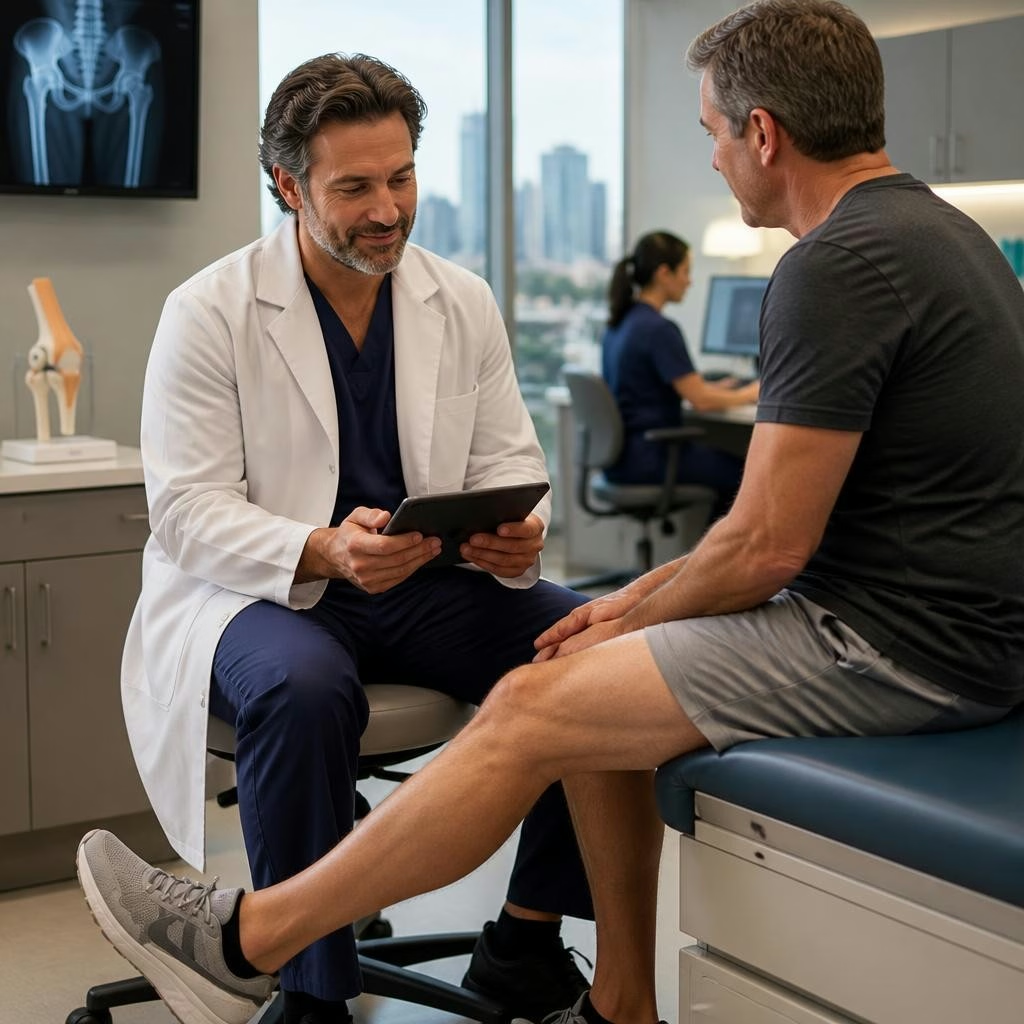
When you arrive at Bay Area Sports and Orthopedics in Houston, our goal for the first visit is simple: understand your problem, evaluate it accurately, and agree on a clear next step that matches your activity goals. I will introduce you to our team, confirm basic information, and take time to listen to your concerns. Many patients tell us they appreciate the caring, patient-focused approach from both me and my staff—that supportive environment helps us form realistic plans together.
What to bring and how to prepare
To make the visit as productive as possible, bring any prior imaging (X-rays, MRIs), clinic notes, a list of medications and allergies, your insurance and ID, and a short list of questions or priorities. If your injury is sports-related, note the timing and mechanism (how it happened) and what activities you hope to return to. These details help me tailor the exam and the initial management plan.
A focused medical history and conversation
I will take a focused history that covers the onset of symptoms, prior treatments, medical conditions, and any previous surgeries. For athletes and active people I ask about your sports background and performance goals—I've played and coached sports myself, so I know returning to the field or work is often the top priority. We will discuss how the injury affects daily life and what you consider a successful outcome.
What happens during the physical exam
The physical exam is targeted to the injured area. Expect inspection, palpation, range-of-motion testing, strength checks, and specific orthopedic maneuvers to assess ligaments, tendons, menisci, or joint stability. I also check circulation and nerve function when relevant. The exam helps determine whether the problem is mechanical, inflammatory, neurologic, or related to prior surgery or fracture.
Imaging and tests: when we use them
Often I will review any imaging you bring and order additional studies only when they will change management. X-rays are commonly used to look for fractures, alignment, or arthritis; an MRI may be requested for soft-tissue injuries like ACL tears, meniscal injuries, or rotator cuff problems. In some cases lab work or nerve studies may be appropriate. I avoid unnecessary tests and explain the reason for each study so you understand how it informs treatment.
Discussing treatment options and timelines
I present treatment options that match the diagnosis and your goals. For many conditions we start with conservative care—activity modification, bracing, physical therapy, or injections—while monitoring progress. When surgery is appropriate, options include arthroscopic procedures, ACL reconstruction, rotator cuff repair, meniscal repair, fracture care, or joint replacement when indicated. I will explain expected timelines for recovery and rehabilitation, so you know what to expect in weeks and months ahead.
The care team and what patients report
Our care extends beyond the exam room: our staff coordinates imaging, scheduling, and rehab resources to keep your recovery on track. Patients often comment on the friendly, competent team approach; one patient shared that after a broken ankle and elbow they were back in good shape within three months, which reflects our emphasis on timely treatment and coordinated rehabilitation. We work with physical therapists and other specialists when needed to support recovery.
Next steps and questions to ask before you leave
Before you leave, we will summarize the plan, provide any immediate treatment (splinting, prescriptions), and arrange imaging or follow-up. Good questions to ask include: What is the likely diagnosis? What are the short- and long-term options? What are the risks and benefits of surgery versus non-surgical care? When can I expect to return to work or sport? If anything is unclear after the visit, our staff is available to help clarify and schedule the next steps.
Customer review


Article by
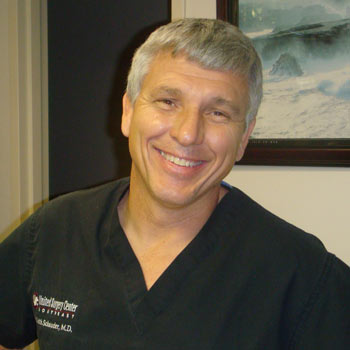
Dr. Schauder - Houston
Dr. Schauder was born in Detroit, Michigan. He received his undergraduate degree from Albion College, Albion, Michigan in 1981 Summa Cum Laude with a 4.0 GPA, Phi Beta Kappa, Albion Fellow. Dr. Schauder is an orthopedic surgeon with over 20 years of experience in orthopedic surgery and sports medicine . Dr. Schauder is very active in the sports community. He has played football through college and has played and coached his sons in soccer. Dr. Schauder has been the team physician for Alvin High School Sports since 1990. Our concern is for the total well-being of the patient and to return the patient back to their active lifestyles including sports and work as soon as possible.