Total Knee Replacement in Houston: How to Know It’s Time and How to Prepare
A practical guide from an experienced orthopedic surgeon explaining when total knee replacement is appropriate, what the surgery involves, and clear steps Houston patients can take to prepare for a smoother recovery at home.
Introduction — why this matters
I’m Dr. Schauder of Bay Area Sports and Orthopedics in Houston. For more than two decades I’ve cared for active patients and athletes whose knees limit daily life or sports participation. This article explains how to recognize when non-surgical care has run its course, what a total knee replacement typically involves, and practical preparation tips you can use at home to help recovery go more smoothly.
When non-surgical care may no longer be enough
Most patients try conservative approaches first. You should consider surgical evaluation when persistent knee pain or stiffness limits basic activities (walking, climbing stairs, getting in and out of cars), you’re waking from pain at night, or simple tasks require significant effort despite a period of non-surgical care. Severe loss of mobility, repeated episodes of giving way, or progressive decline in ability to work or play are also warning signs that a joint replacement discussion is warranted.
What happens during a total knee replacement
Total knee replacement replaces the damaged joint surfaces with prosthetic components to restore alignment and reduce pain. The operation is performed in a hospital or surgical center under appropriate anesthesia; the diseased surfaces are removed and replaced with metal and plastic components designed to restore function. Your surgical team will discuss anesthesia options, estimated length of stay, and postoperative pain control during your preoperative visit so you know what to expect.
Medical and surgical preparation checklist
Preparing well before surgery reduces complications and speeds recovery. Typical steps include a focused medical evaluation to optimize chronic conditions, a review of current medications and supplements with your surgeon, and clear instructions about when to stop blood thinners if needed. We also review your expectations, mobility goals, and plan for postoperative pain control. If you have questions about medical optimization or the timing of surgery, bring them to your appointment so we can address them together.
Home preparations to ease the first weeks after surgery
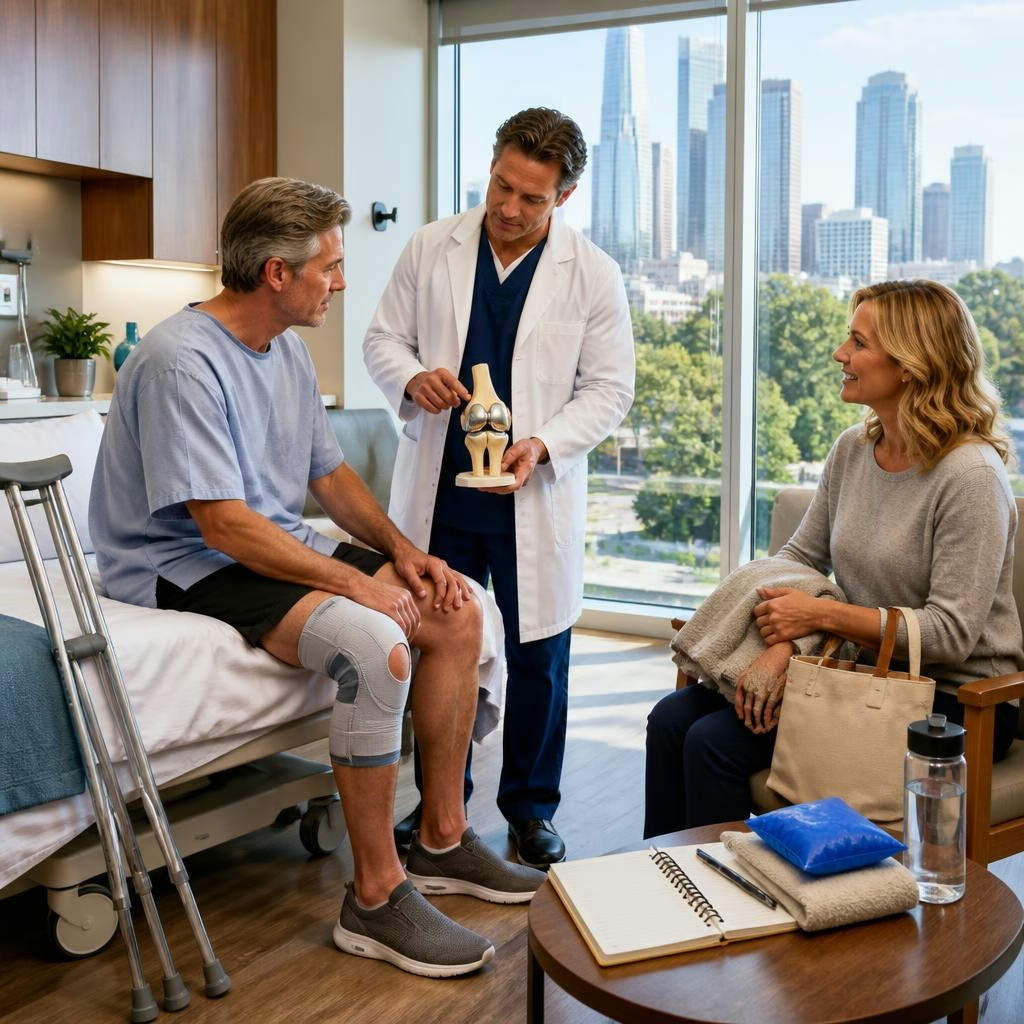
Small, practical changes at home make early recovery more comfortable. Arrange a safe, reachable sleeping area on one level if possible; clear walkways and secure loose rugs; set up a chair with armrests for comfortable sitting and standing; place commonly used items within easy reach; and prepare several easy-to-heat meals in advance. Plan for short trips to follow-up appointments and consider help with errands and household chores for the first one to two weeks.
Recovery expectations and rehabilitation
After surgery most patients start moving the knee the same day or the next day under supervision. Early motion, gradual weight-bearing as advised, and a structured rehabilitation plan are important to regain strength and range of motion. Pain and swelling are common early on; following wound care instructions and activity guidelines reduces risks. Recovery is a process—many patients see steady improvement in pain and function over weeks to months, with continued gains as strengthening progresses.
Why patients choose Bay Area Sports and Orthopedics
I approach each patient’s knee problem with the goal of returning them to the activities they value. Our office combines surgical experience in total knee replacements with attention to the whole patient—medical optimization, realistic recovery planning, and a supportive staff. Patients frequently remark on compassionate care and successful recoveries; one recent patient highlighted rapid functional improvement after significant injuries, which reflects our focus on restoring activity and quality of life. If you’re in the Houston area and thinking about knee replacement, schedule a consultation at our practice so we can review your X‑rays, discuss options, and create a plan tailored to your goals.
Customer review


Article by
Dr. Schauder - Houston
Dr. Schauder was born in Detroit, Michigan. He received his undergraduate degree from Albion College, Albion, Michigan in 1981 Summa Cum Laude with a 4.0 GPA, Phi Beta Kappa, Albion Fellow. Dr. Schauder is an orthopedic surgeon with over 20 years of experience in orthopedic surgery and sports medicine . Dr. Schauder is very active in the sports community. He has played football through college and has played and coached his sons in soccer. Dr. Schauder has been the team physician for Alvin High School Sports since 1990. Our concern is for the total well-being of the patient and to return the patient back to their active lifestyles including sports and work as soon as possible.