Recovering From Total Knee Replacement in Houston: 0–12 Week Rehab Milestones
A practical, week-by-week guide to pain control, mobility goals, and activity progression during the first 12 weeks after total knee replacement, with tips for patients recovering at home in the Houston area.

Why a 0–12 week plan matters
As an orthopedic surgeon with over 20 years of experience in sports medicine and joint reconstruction, I find that patients recover best when they know practical milestones and what to expect week by week. The first 12 weeks after a total knee replacement are when most pain, swelling and the biggest gains in mobility occur. This guide outlines typical goals, pain-control strategies, and safe activity progression so you and your caregivers can plan recovery at home in the Houston area.
Day 0–3: immediate post-op priorities
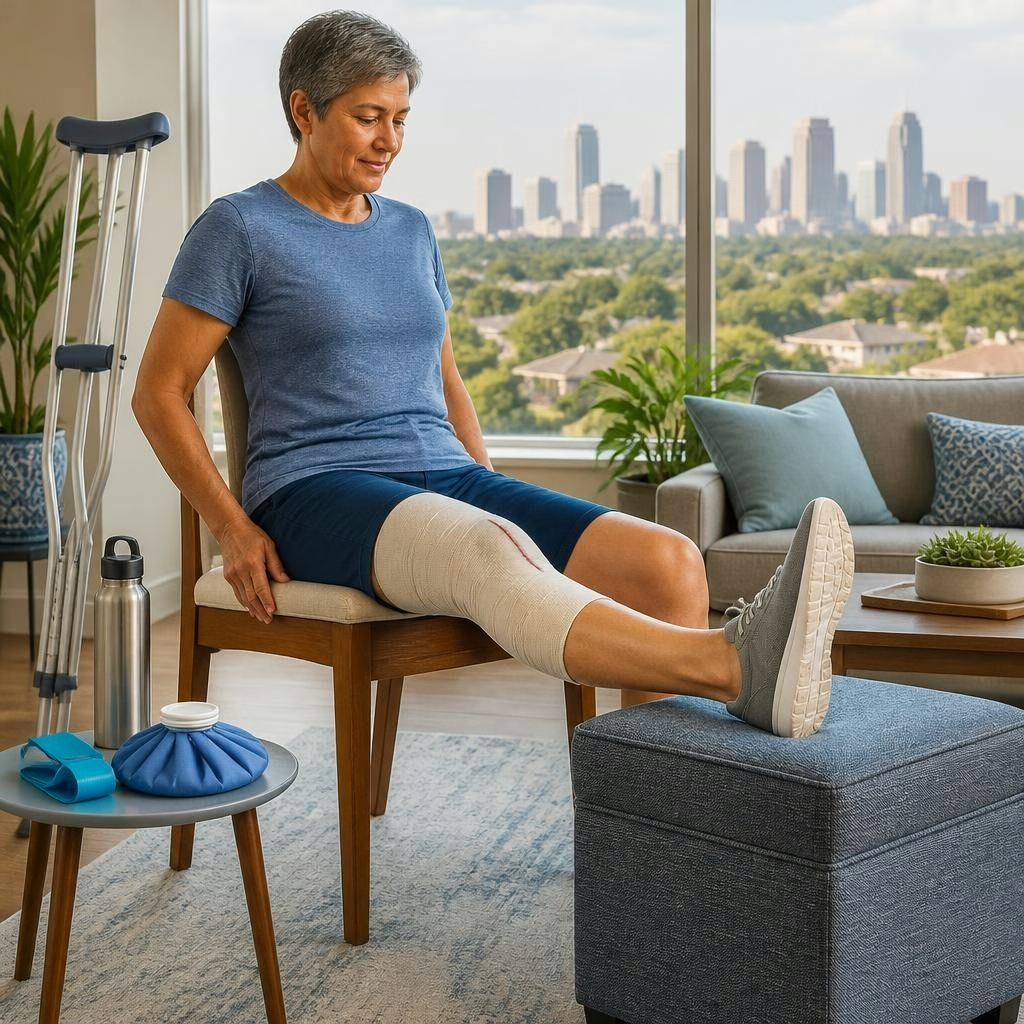
Your immediate goals are pain control, protecting the surgical wound, and starting safe movement. Expect a pain management plan that may include oral medications and scheduled non-opioid options; follow your surgeon’s prescriptions and instructions. Use ice packs and elevation to reduce swelling (short, frequent icing sessions work better than long continuous ice in Houston’s humid climate). Begin gentle ankle pumps and quad contractions in bed to improve circulation and reduce clot risk. Rely on your assistive devices (walker or crutches) as directed — safety is the priority over speed.
Weeks 1–2: early mobility and wound care
During the first two weeks the focus is progressing range of motion and establishing a walking routine. Most patients are seen for a wound check and early follow‑up in this window and will begin structured physical therapy within the first week or two. Start with short, frequent walks inside the home and supervised range‑of‑motion exercises that emphasize knee bending and straightening, plus gentle quadriceps and hamstring activation. Keep dressings clean and dry, watch for increased redness or drainage, and continue elevation and icing after activity to manage swelling.
Weeks 3–6: building strength and independence
As pain becomes more manageable, therapy focuses on strengthening the muscles around the knee, improving gait mechanics, and practicing daily activities such as stair negotiation. You should be increasing walking distances, gradually relying less on assistive devices as balance and strength permit, and working on core and hip strength that support knee function. Swelling can persist — compression, elevation after activity, and continued icing help. If you have a job that doesn’t require heavy lifting or prolonged standing, many patients begin a phased return to light duties in this period; follow your surgeon’s guidance for your specific situation.
Weeks 7–12: progress toward full activity
Between weeks 7 and 12 the goals are improved endurance, near‑normal walking, and safe return to low-impact activities such as stationary cycling, swimming, and brisk walking. Therapy will emphasize functional strength, balance, and endurance so you can resume daily routines and recreational activities appropriate for your knee. High‑impact sports and heavy labor typically require further evaluation before resuming. Continued home exercises and adherence to your therapist’s program are key to sustaining gains.
Practical tips for Houston-area recovery at home
Houston’s heat and humidity can increase swelling and fatigue during recovery. Plan activities for cooler parts of the day, stay well hydrated, and use air‑conditioned rest periods to help reduce swelling. Arrange short, frequent walks rather than long outdoor sessions in hot weather. Make home modifications in advance — clear pathways, a stable chair at dining height, and a shower chair if needed. Coordinate physical therapy close to home and keep scheduled surgeon follow‑ups; our office at Bay Area Sports and Orthopedics is available to help with questions or adjustments to your plan.
When to call your surgeon
Contact your surgeon or clinic promptly for concerning signs: fever above 101°F, increasing redness or drainage at the incision, sudden worsening of pain not responsive to prescribed medication, new numbness or inability to move the foot, or calf swelling and pain that could indicate a blood clot. Early communication allows timely evaluation and keeps recovery on track.
What I tell my patients: realistic expectations and support
Every recovery is individual, but many patients make substantial progress within three months with consistent therapy and attention to swelling control and strengthening. Patients consistently tell me they value a compassionate care team and clear follow‑up — our staff strives to provide both. One patient, for example, noted getting back into good shape within three months after significant lower‑extremity injuries, which reflects how coordinated care and active rehabilitation can shorten the path to functional recovery. If you’re preparing for total knee replacement or are already recovering, bring your questions to your surgeon and therapist — a clear plan and steady effort are the best predictors of a successful outcome.
Customer review


Article by
Dr. Schauder - Houston
Dr. Schauder was born in Detroit, Michigan. He received his undergraduate degree from Albion College, Albion, Michigan in 1981 Summa Cum Laude with a 4.0 GPA, Phi Beta Kappa, Albion Fellow. Dr. Schauder is an orthopedic surgeon with over 20 years of experience in orthopedic surgery and sports medicine . Dr. Schauder is very active in the sports community. He has played football through college and has played and coached his sons in soccer. Dr. Schauder has been the team physician for Alvin High School Sports since 1990. Our concern is for the total well-being of the patient and to return the patient back to their active lifestyles including sports and work as soon as possible.