Non‑Surgical vs Surgical Treatment for Sports Injuries: My Approach as a Houston Orthopedic Surgeon
Dr. Schauder explains how exam findings, imaging, age, activity level, and patient goals guide the choice between rest, physical therapy, injections, and surgery for common knee, shoulder, and ankle injuries in active Houston patients.
Why the choice matters
When a sport-related injury happens, the goal is simple: get you back to the activities you enjoy with as little risk and downtime as possible. Deciding between non-surgical care and surgery is not a one-size-fits-all call. I evaluate the injury itself, your current function, your long-term goals, and how much time you can dedicate to recovery. Throughout my years working with athletes and weekend warriors, I’ve found that a clear, individualized plan leads to the best outcomes.
Initial evaluation: history, physical exam, and imaging
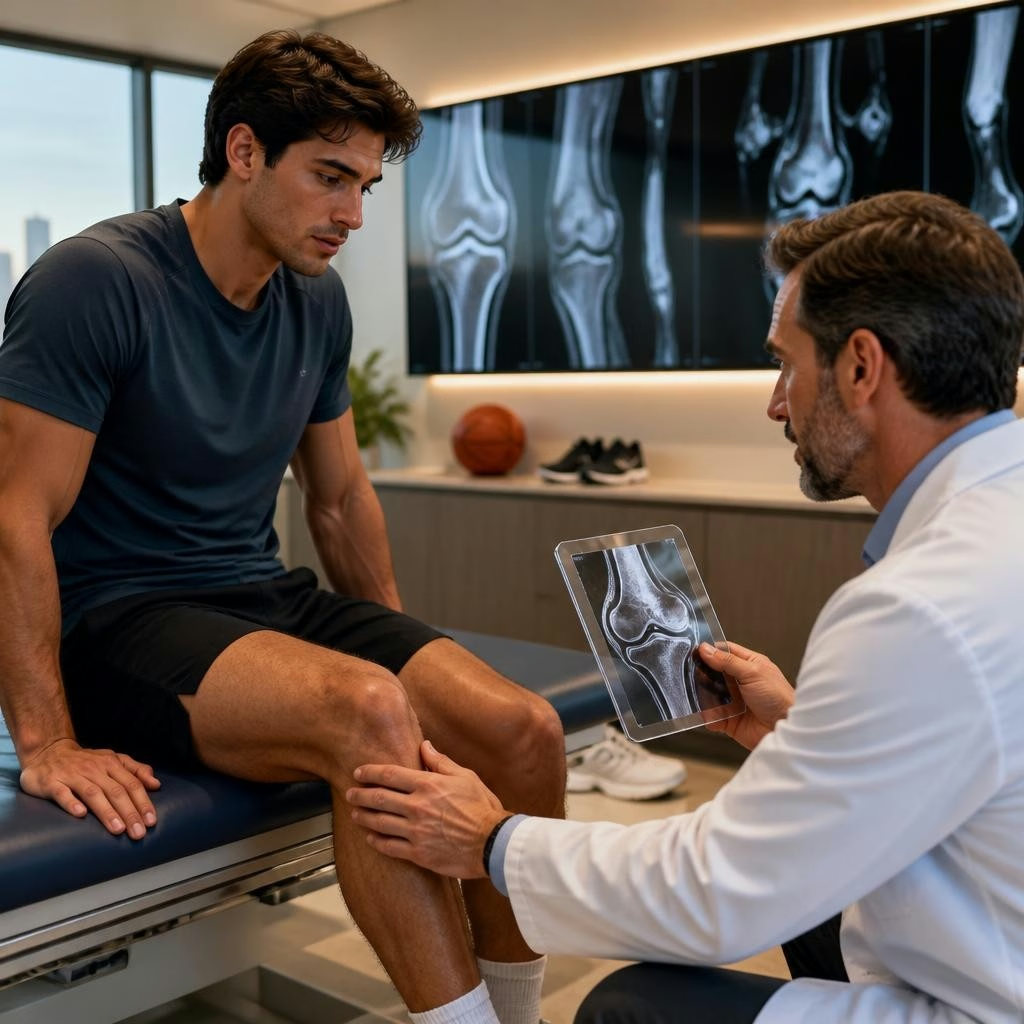
The decision begins with a careful history and a focused physical exam. I look for mechanical symptoms (locking, catching), instability, loss of motion, strength deficits, and any neurovascular concerns. Plain X-rays are usually the first step to rule out fracture or arthritis; MRI or ultrasound can then define soft-tissue injuries such as meniscal tears or rotator cuff tears. Imaging complements the exam — it doesn’t replace it. Together they clarify whether conservative care is reasonable or whether an anatomic problem is unlikely to improve without surgery.
How age, activity level, and goals influence treatment
Age and activity expectations are central to the plan. A younger athlete who needs high-level stability for cutting and pivoting may require a different approach than an older patient whose goals are recreational play and pain relief. Chronicity matters too: new traumatic tears behave differently than chronic degenerative changes. I always discuss what you want to achieve—return to competitive sport, daily comfort, or improved function—and tailor recommendations to those goals while weighing risks and recovery time.
Knee injuries: when I recommend conservative care versus surgery
For many knee problems — mild sprains, strains, and some meniscal tears — a trial of activity modification, physical therapy, bracing, and guided strengthening is appropriate. If a patient has true mechanical symptoms (persistent locking), ongoing instability after a trial of rehab, or a traumatic ACL tear in a person who needs knee stability for sport or work, surgery becomes a stronger option. Imaging and the physical exam help me determine whether a meniscal tear or ligament injury is likely to respond to structured rehabilitation or is better addressed surgically.
Shoulder injuries: balancing therapy and repair
Shoulder problems span from impingement and tendonitis to rotator cuff tears or instability. Many patients improve substantially with targeted physical therapy that restores scapular mechanics and rotator cuff strength. Injections can be discussed as a temporizing measure to reduce inflammation, though they are part of a broader plan rather than a standalone cure. When a tear leads to persistent weakness, loss of function, or failed conservative care and imaging suggests the tear is repairable, surgical repair becomes a reasonable option to restore strength and reduce symptoms.
Ankle injuries: sprains, instability, and fractures
Most ankle sprains respond well to early protection, controlled motion, and progressive strengthening. Persistent instability after rehab or certain displaced fractures may require surgical evaluation. The presence of ongoing giving way, recurrent sprains, or abnormal alignment on imaging prompts a discussion about surgical stabilization. As with other joints, the choice depends on the functional deficit, imaging findings, and the patient’s activity requirements.
Shared decision-making, realistic expectations, and follow-up care
I involve patients in every step of the decision. We review exam findings and imaging, discuss likely timelines for recovery, and outline the rehabilitation commitment for both non-surgical and surgical paths. Rehabilitation is often the key determinant of success regardless of the route chosen. Patients and families frequently tell me they appreciate the thorough explanations and the support of my staff — that continuity of care is something I and my team take seriously. If you’re in the Houston area and want to talk through options for a specific knee, shoulder, or ankle problem, my clinic at 12827 Gulf Freeway is available for evaluation and planning that fits your goals.
Article by
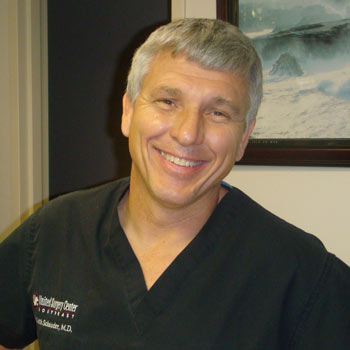
Dr. Schauder - Houston
Dr. Schauder was born in Detroit, Michigan. He received his undergraduate degree from Albion College, Albion, Michigan in 1981 Summa Cum Laude with a 4.0 GPA, Phi Beta Kappa, Albion Fellow. Dr. Schauder is an orthopedic surgeon with over 20 years of experience in orthopedic surgery and sports medicine . Dr. Schauder is very active in the sports community. He has played football through college and has played and coached his sons in soccer. Dr. Schauder has been the team physician for Alvin High School Sports since 1990. Our concern is for the total well-being of the patient and to return the patient back to their active lifestyles including sports and work as soon as possible.