Houston Knee Pain Checklist for Weekend Warriors
Practical guidance from an experienced orthopedic surgeon on spotting serious knee injuries, sensible short-term self-care, and when to schedule an evaluation in Houston.
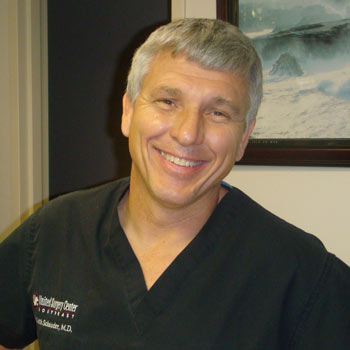
A quick note from Dr. Schauder
I’m Dr. Schauder, an orthopedic surgeon practicing in Houston with more than 20 years of experience treating sports and activity-related injuries. I’ve worked with athletes at many levels and have been involved in the local sports community for decades, including serving as a team physician. This checklist is aimed at active adults — runners, pickup-sport players, weekend warriors and gym-goers — who are deciding whether knee pain is something to watch at home or to bring to a specialist.
Common causes of knee pain in active adults
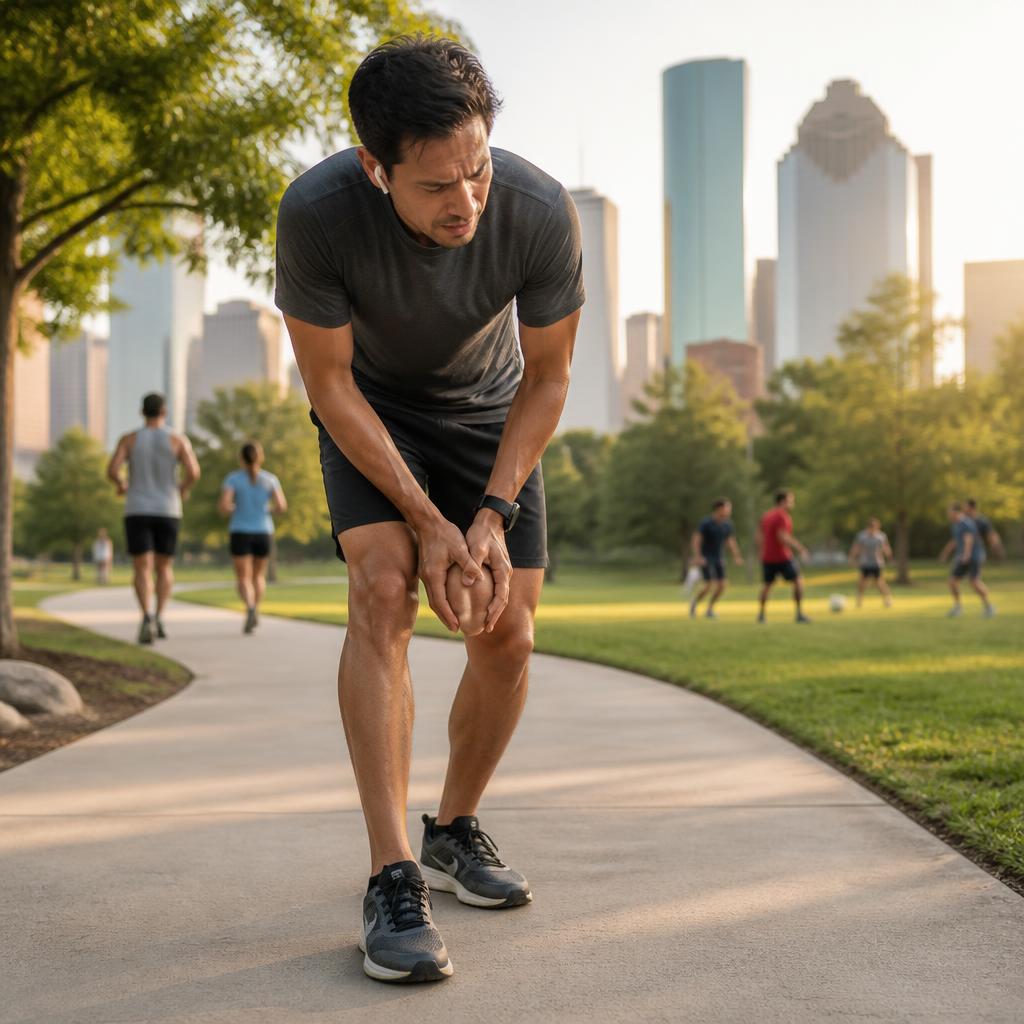
Knee pain after activity can come from a range of problems. Typical nonurgent issues include overuse conditions (tendinopathy or patellofemoral pain), mild sprains, and flare-ups of arthritis. More serious injuries include meniscal tears, ligament injuries such as ACL sprains or ruptures, fractures, and tendon ruptures. Our practice evaluates many of these conditions and offers both nonoperative and surgical options such as arthroscopic procedures, meniscal repair, ACL reconstruction, fracture care, and joint replacement when appropriate.
Red flags — when to seek immediate evaluation
Get prompt medical attention if any of the following occur after an injury: inability to bear weight on the leg, a knee that appears deformed or out of place, sudden swelling within a few hours (suggesting bleeding inside the joint), a popping sound at the time of injury followed by instability or giving way, or an inability to straighten or bend the knee (locking). If you have a high-energy fall or direct blow and severe pain, seek emergency care first. These signs often mean a ligament, fracture, or large meniscal injury that benefits from early assessment.
Reasonable home care to try first
For mild or gradual-onset pain without red flags, you can try conservative care for several days: relative rest or activity modification, icing for short periods after activity, elevation when possible, and simple over-the-counter pain relievers as directed on the label. Gentle range-of-motion and controlled strengthening can help — but stop any activity that increases sharp pain or causes instability. If symptoms improve within a few days to a couple of weeks, continued rehab may be appropriate. If pain persists, worsens, or limits your daily activities, it’s time for a medical evaluation.
When to schedule an appointment with an orthopedic surgeon
You should see a specialist if you have persistent pain lasting several weeks despite conservative measures, recurrent episodes of the knee giving out, mechanical symptoms such as true locking or catching, or pain that prevents return to desired activities. Early specialist evaluation is also reasonable after a suspected ligament tear, significant meniscal injury, or fracture. In the clinic we perform a focused exam and arrange imaging when needed to guide whether nonoperative care, arthroscopy, repair, or reconstruction is the best path forward.
What to expect at your first visit
At your visit we review how the injury started, perform a targeted physical exam, and often obtain imaging (X‑rays and, when indicated, MRI). I discuss realistic recovery expectations and outline treatment options tailored to your goals — whether returning quickly to weekend sports or pursuing longer-term joint health. Our patients frequently comment on the supportive care from our team; my staff and I prioritize clear communication, practical rehabilitation plans, and setting milestones for recovery.
Simple prevention tips and how to reach us
To reduce future risk: warm up before activity, include strength and balance work (especially for hips and quadriceps), vary your workouts to avoid repetitive overload, wear appropriate footwear, and address persistent pain early. If you’re in the Houston area and want an evaluation, our clinic is located at 12827 Gulf Freeway; my team can help determine next steps and connect you with physical therapy or surgical options if needed. If you’re unsure whether your knee needs immediate attention, calling for an appointment is a good way to get personalized advice and a timely assessment.
Article by
Dr. Schauder - Houston
Dr. Schauder was born in Detroit, Michigan. He received his undergraduate degree from Albion College, Albion, Michigan in 1981 Summa Cum Laude with a 4.0 GPA, Phi Beta Kappa, Albion Fellow. Dr. Schauder is an orthopedic surgeon with over 20 years of experience in orthopedic surgery and sports medicine . Dr. Schauder is very active in the sports community. He has played football through college and has played and coached his sons in soccer. Dr. Schauder has been the team physician for Alvin High School Sports since 1990. Our concern is for the total well-being of the patient and to return the patient back to their active lifestyles including sports and work as soon as possible.