Houston High School Sports Injuries: A Playbook for Alvin and Bay Area Families
Practical guidance from an experienced team physician on common high school sports injuries, when to seek orthopedic care, and steps to a safe return to play in the greater Houston/Alvin area.
Why this playbook matters
As an orthopedic surgeon who has served as the Alvin High School team physician since 1990 and worked with athletes across the Bay Area, I’ve seen the patterns that lead to preventable injuries and the situations that require timely orthopedic care. This article is written for parents, coaches, and student-athletes who want clear, practical guidance about common high school sports injuries, when to seek specialist evaluation, and how to approach a safe return to sport.
Common injuries I see in high school athletes
High school athletes in football, soccer and other sports commonly experience ligament and tendon injuries, meniscal tears, fractures, and shoulder problems. In our practice we frequently treat ACL injuries, meniscal damage, rotator cuff and shoulder injuries, wrist and hand problems such as carpal tunnel presentations after trauma, and fractures that require expert care. Muscle strains and ligament sprains are also frequent and often respond to conservative care when managed promptly.
When to contact an orthopedic specialist
Seek orthopedic evaluation when there is severe pain, visible deformity, inability to bear weight or move a joint, persistent or rapidly increasing swelling, joint instability (giving way), or recurrent locking and catching. If symptoms don’t improve after a few days of rest, ice, compression and elevation or if repeat episodes occur, a specialist assessment can identify injuries that benefit from imaging or early intervention. For young athletes, earlier evaluation helps protect long-term function and return-to-play prospects.
How we evaluate and treat injuries
Our approach starts with a focused history and physical exam, and then uses imaging as needed to clarify the diagnosis. For many knee and shoulder problems we offer arthroscopic techniques, meniscal repair, ACL reconstruction when indicated, rotator cuff repair, and fracture care. Nonoperative options — such as bracing, targeted physical therapy, activity modification and anti-inflammatory strategies — are used whenever appropriate. Treatment plans are individualized with the goal of restoring safe function and returning the athlete to activity as quickly and safely as possible.
Rehabilitation and a safe return to play
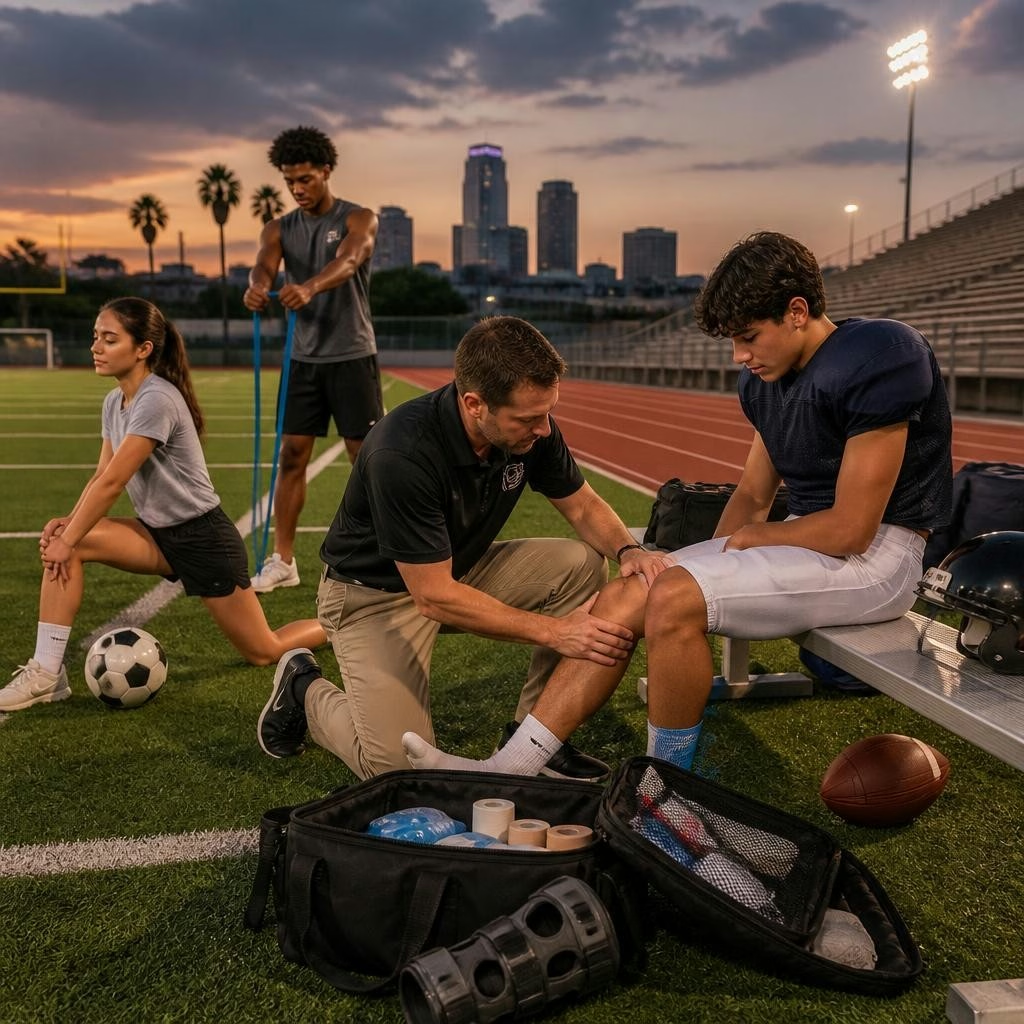
Returning to sport is a stepwise process that includes pain control, restoration of range of motion, progressive strength and neuromuscular training, and sport-specific drills. Close communication among the surgeon, physical therapist, athlete and coach is essential. We set objective milestones — such as strength symmetry, agility tests and absence of painful instability — before clearing an athlete to resume contact play. Follow-up visits ensure recovery stays on track and allow us to adjust the plan when needed.
Practical prevention tips for families and coaches
Many injuries can be reduced with attention to fundamentals: proper warm-up and cooldown, progressive strength training (especially lower-extremity and core for running sports), flexibility work, adequate rest between intense sessions, and sport-appropriate protective equipment. Teaching safe techniques for cutting, tackling and landing, monitoring playing time, and encouraging athletes to report pain early are simple, effective steps coaches and parents can take.
Getting local help in the Bay Area and Alvin community
If your athlete needs an orthopedic opinion, our clinic is located at 12827 Gulf Freeway in Houston and we remain closely involved with Alvin High School athletics. Families often tell us they appreciate a caring, straightforward approach and a staff that guides them through treatment and recovery. If you’re unsure whether a visit is needed, start with your primary coach or school athletic trainer, and call for an orthopedic evaluation when red-flag signs appear or symptoms persist despite initial care.
Article by
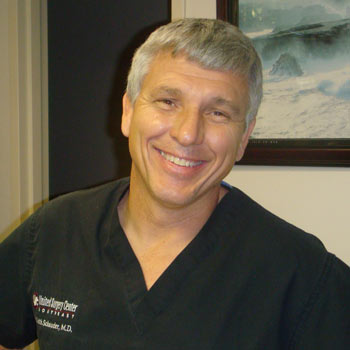
Dr. Schauder - Houston
Dr. Schauder was born in Detroit, Michigan. He received his undergraduate degree from Albion College, Albion, Michigan in 1981 Summa Cum Laude with a 4.0 GPA, Phi Beta Kappa, Albion Fellow. Dr. Schauder is an orthopedic surgeon with over 20 years of experience in orthopedic surgery and sports medicine . Dr. Schauder is very active in the sports community. He has played football through college and has played and coached his sons in soccer. Dr. Schauder has been the team physician for Alvin High School Sports since 1990. Our concern is for the total well-being of the patient and to return the patient back to their active lifestyles including sports and work as soon as possible.