Fast-Track Recovery: How Houston Orthopedic Care Helps You Return to Work Safely After Injury
Practical guidance from Dr. Schauder on planning a safe, efficient return to work after fractures, tendon injuries, or joint surgery—covering early steps, light-duty options, structured rehab, and workplace communication.
A practical approach to returning to work
I’m Dr. Schauder, an orthopedic surgeon practicing in Houston. My goal is to help you recover well and return to your job as soon as it is safe. This article explains how we plan return-to-work timelines after common injuries and surgeries so patients can reduce downtime without compromising long-term joint or limb health.
Which injuries affect work and how we treat them
In my practice I commonly see fractures, tendon and ligament injuries, shoulder and knee problems, and conditions that require procedures such as arthroscopic repair, rotator cuff repair, ACL reconstruction, carpal tunnel release, meniscal repair or, in some cases, total knee replacement. Each diagnosis has a different recovery path; the first step is an accurate assessment and a treatment plan tailored to your job demands.
Early planning: assessment, expectations, and documentation
Short-term recovery starts with a clear diagnosis, imaging when needed, and setting realistic expectations for healing. I work with patients to outline likely milestones and provide written work restrictions or return-to-work notes for employers. Early communication—between the patient, the clinic, and the employer or occupational health team—often reduces confusion and speeds the transition back to productive duties.
Light-duty and modified work: what that can look like
Many employers offer light-duty options that allow an earlier return while protecting the injured area. Examples include limiting lifting, avoiding overhead work, reduced standing time, or shifting to administrative tasks. We provide specific activity restrictions (for example, no heavy lifting or no repetitive use of an affected hand) that let employers create safe, transitional roles until you regain full function.
Structured rehabilitation: staged progress and realistic timelines
Rehabilitation is a staged process—immobilization or protected use when necessary, followed by progressive range-of-motion, strengthening, and task-specific conditioning. Physical therapy is central for most fractures, tendon repairs, and joint surgeries. While every case differs, coordinated rehab and clear activity goals help many patients return sooner; some patients with uncomplicated injuries recover to work duties within a few months, while others need a longer, carefully supervised progression.
Managing pain, protection, and long-term joint health
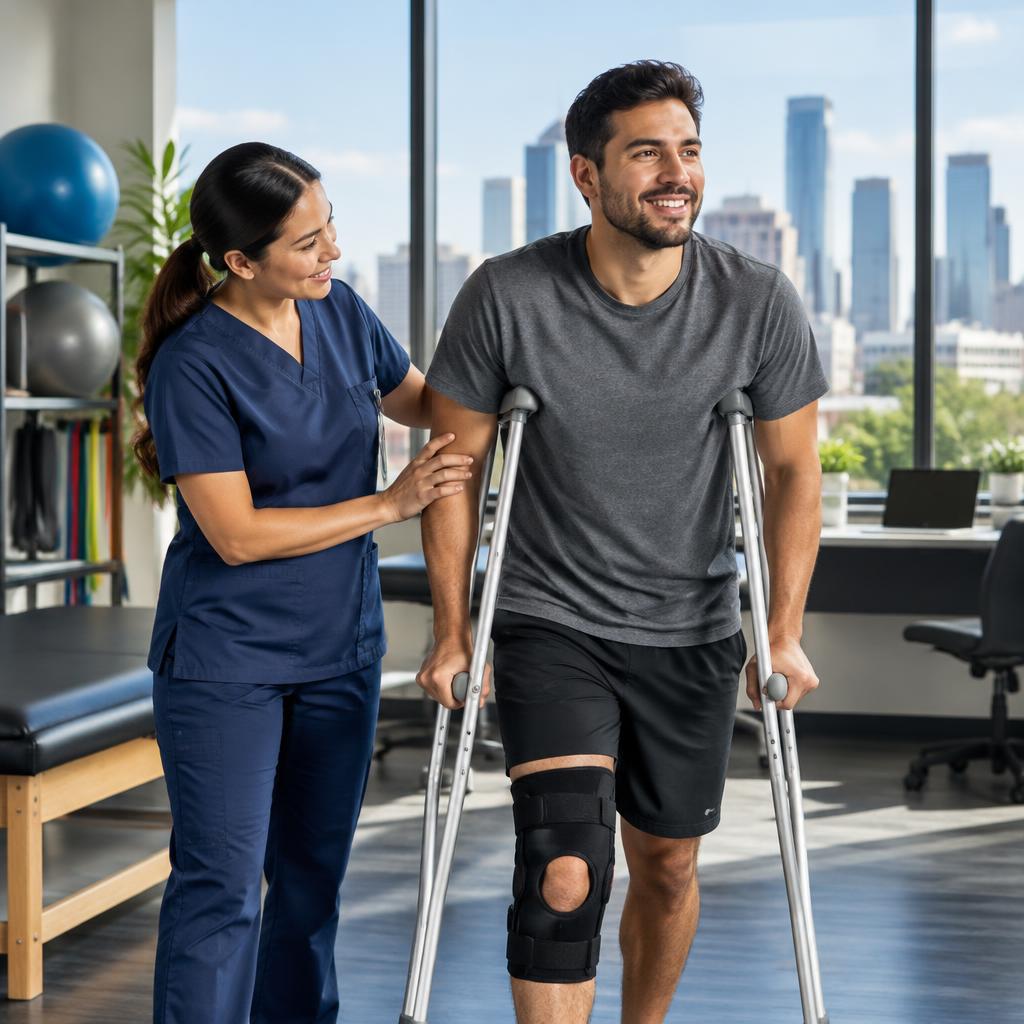
Safe return to work balances symptom control with protection of healing tissues. We use bracing, splints, temporary activity limits, and pain management strategies to allow function without risking re-injury. Protecting long-term joint health—through proper technique, graduated strengthening, and avoiding premature heavy loading—is just as important as the short-term timeline.
Our team approach in Houston
At Bay Area Sports and Orthopedics (12827 Gulf Freeway, Houston), we take a team approach: the physician, clinical staff, therapists, and the patient all play roles in recovery. Patients frequently tell us they appreciate a caring, communicative team and clear return-to-work guidance. If you are worried about missing work after an injury, schedule an evaluation so we can create a personalized plan that prioritizes both a safe recovery and a timely return to your job.
Article by
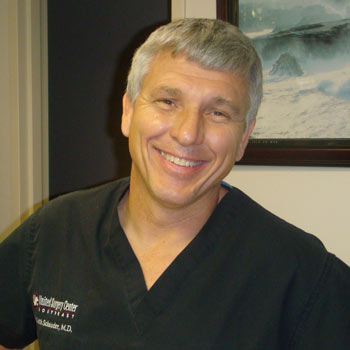
Dr. Schauder - Houston
Dr. Schauder was born in Detroit, Michigan. He received his undergraduate degree from Albion College, Albion, Michigan in 1981 Summa Cum Laude with a 4.0 GPA, Phi Beta Kappa, Albion Fellow. Dr. Schauder is an orthopedic surgeon with over 20 years of experience in orthopedic surgery and sports medicine . Dr. Schauder is very active in the sports community. He has played football through college and has played and coached his sons in soccer. Dr. Schauder has been the team physician for Alvin High School Sports since 1990. Our concern is for the total well-being of the patient and to return the patient back to their active lifestyles including sports and work as soon as possible.