Elbow Injuries in Adults: When Pain from Falls, Work, or Sports Needs Orthopedic Care
An experienced orthopedic surgeon explains common adult elbow injuries, red-flag symptoms that require prompt attention, and how targeted treatment and rehabilitation restore strength and motion after trauma.
Why the elbow matters and when to consult a specialist
The elbow is a complex joint that links your shoulder, forearm and hand; even small losses of motion or strength can make everyday tasks and work activities difficult. As an orthopedic surgeon with more than 20 years in sports medicine and trauma, I encourage patients to seek specialized care when pain, instability, or loss of function persists after an injury. Early evaluation helps protect nerve and blood supply, prevents stiffness, and improves the chance of a full recovery.
Common elbow injuries I treat
Adult elbow injuries typically fall into a few categories: fractures (for example, radial head, olecranon, or distal humerus breaks), tendon injuries (such as distal biceps or triceps tears and repetitive tendon overload), ligament sprains or tears (including the medial and lateral collateral ligaments), and elbow dislocations. Overuse conditions—like tennis elbow or golfer’s elbow—can also become acute problems when combined with a fall or heavy lifting.
How these injuries usually happen
Falls onto an outstretched hand, direct blows, workplace accidents, and sports-related collisions or throwing motions are the most common causes. I see many injuries from contact sports and recreational activities as well as from slips or falls at home. Because I’ve been active in sports and coached youth soccer, I understand both the mechanics of injuries and the demands patients face when returning to play or physically demanding jobs.
Red flags: when to seek urgent care
Certain symptoms require prompt evaluation: deformity or a visible fracture, severe swelling or bruising, numbness or tingling in the hand or fingers, loss of pulses or color changes in the hand, open wounds near the joint, or inability to move the elbow. If you experience any of these signs after trauma, come to a clinic or emergency department right away so we can assess circulation and nerve function and arrange imaging and treatment.
What to expect during the initial evaluation
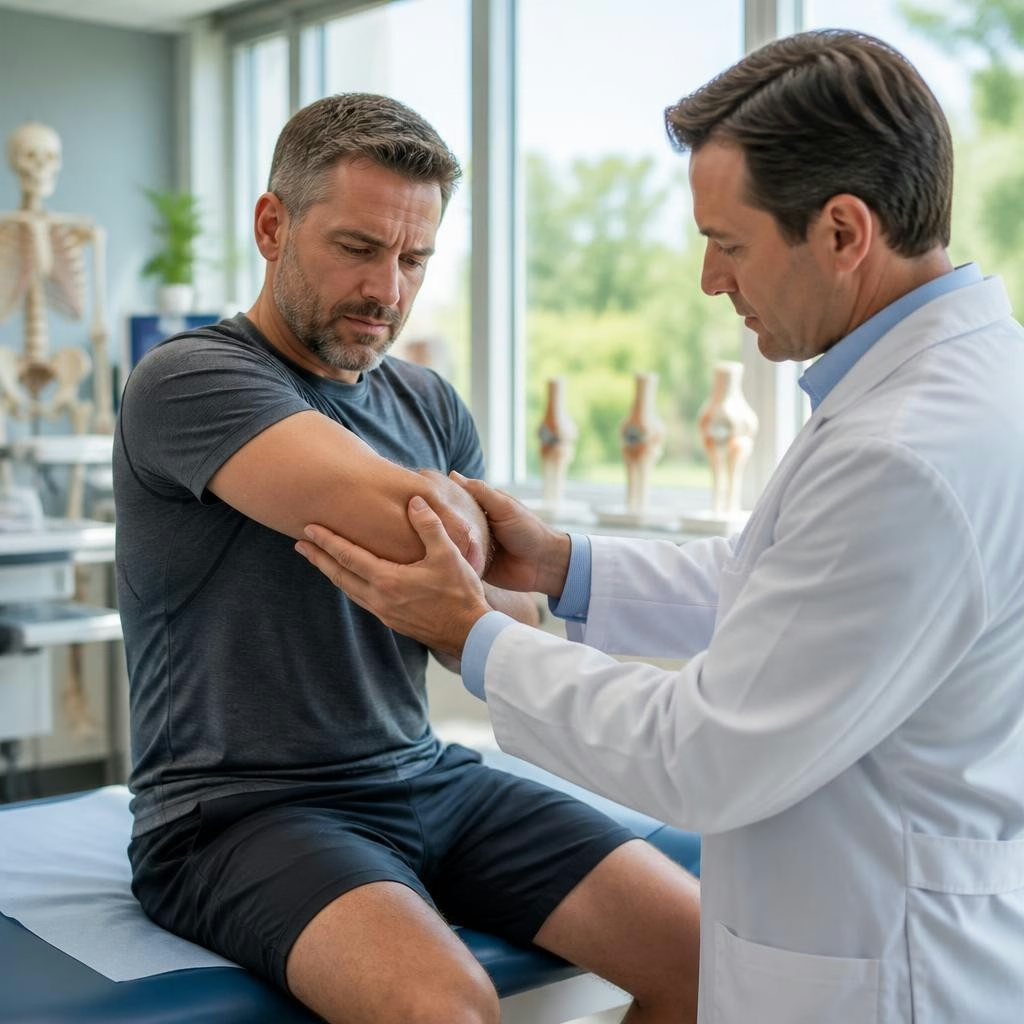
An accurate diagnosis starts with a careful history and focused exam to check range of motion, ligament stability, and nerve function. Plain X-rays are the first-line imaging for suspected fractures. When needed, we’ll order CT scans to define complex fracture patterns or MRI to evaluate tendon and ligament injuries and cartilage. This diagnostic step helps determine whether conservative management or surgery is the best path.
Non-surgical treatment options and rehabilitation
Many elbow injuries can be managed without an operation: short-term immobilization with a splint or brace, controlled early motion to prevent stiffness, guided physical or occupational therapy, and a graduated strengthening program. For tendon or minor ligament injuries we focus on activity modification, eccentric strengthening, and supervised return-to-work or sport plans. The goal is to restore pain-free motion and functional strength while protecting healing tissues.
When surgery is appropriate and the recovery process
Surgery is considered when fractures are displaced, tendons are fully torn, ligaments are unstable, or when non-surgical care fails to relieve symptoms. Surgical options include arthroscopic procedures to address intra-articular problems, fixation of fractures, tendon or ligament repair, and reconstruction when necessary. Post-operative recovery always includes a structured rehabilitation plan. While timelines vary by injury and patient factors, many people make significant functional gains within months when treatment and rehab are well coordinated—one recent patient regained good function within three months after combined ankle and elbow injuries.
How we approach care and practical prevention tips
At Bay Area Sports and Orthopedics (12827 Gulf Freeway, Houston), we take a team approach—combining hands-on evaluation, appropriate imaging, personalized treatment plans, and coordinated rehabilitation with physical or occupational therapists. Our office emphasizes patient education and return-to-activity guidance so recoveries are safe and sustainable. To reduce your risk of elbow injury: use appropriate protective equipment for sports, practice fall-prevention measures at home and work, warm up and condition muscles before repetitive activities, and use ergonomic tools and lifting techniques on the job. If you’ve injured your elbow or have persistent pain after a fall, work incident, or sports event, schedule an evaluation so we can design the right plan for your recovery.
Customer review


Article by
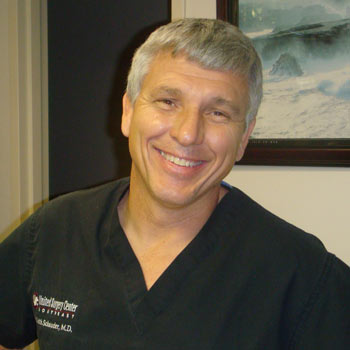
Dr. Schauder - Houston
Dr. Schauder was born in Detroit, Michigan. He received his undergraduate degree from Albion College, Albion, Michigan in 1981 Summa Cum Laude with a 4.0 GPA, Phi Beta Kappa, Albion Fellow. Dr. Schauder is an orthopedic surgeon with over 20 years of experience in orthopedic surgery and sports medicine . Dr. Schauder is very active in the sports community. He has played football through college and has played and coached his sons in soccer. Dr. Schauder has been the team physician for Alvin High School Sports since 1990. Our concern is for the total well-being of the patient and to return the patient back to their active lifestyles including sports and work as soon as possible.