Arthroscopic Shoulder Surgery in Houston: From First Symptoms to Full Recovery
A clear, practical walkthrough from initial symptoms and evaluation through surgery day, sling and early healing, and the rehabilitation steps you can expect when considering arthroscopic shoulder repair.
A surgeon’s overview: what this guide will cover
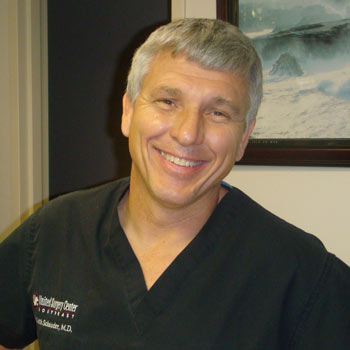
I’m Dr. Schauder of Bay Area Sports and Orthopedics. In this article I’ll explain what patients with rotator cuff or labral problems can expect before, during, and after arthroscopic shoulder surgery. My goal is to help active adults make an informed decision by outlining the evaluation process, what happens on surgery day, how we protect the repair with sling use, and the staged rehabilitation that leads back to sport and work.
Common symptoms that prompt evaluation
People often come to the office for persistent shoulder pain that interferes with sleep, limits overhead activity, or causes weakness when lifting or reaching. Others report catching, popping, or a sense of instability after an injury. If pain or functional loss persists despite rest and basic measures, it’s reasonable to seek an orthopedic evaluation to determine whether a rotator cuff tear, labral tear, or another problem may be present.
How we evaluate and plan treatment
Evaluation starts with a focused history and physical exam to assess strength, range of motion, and stability. Imaging—usually plain x-rays and, when needed, MRI or ultrasound—helps detail tendon or labral pathology and guides whether arthroscopic repair is appropriate. Together we review findings, expected outcomes, and the risks and benefits of surgery versus continued nonoperative care.
Nonoperative options and deciding on surgery
Many shoulder problems begin with conservative care: activity modification, a supervised physical therapy program, and time for symptoms to improve. If symptoms are severe, persistent, or the structural problem is unlikely to heal on its own, arthroscopic repair becomes a reasonable option. I discuss realistic goals for surgery—pain relief and functional improvement—and tailor recommendations to each patient’s age, activity level, and specific pathology.
What happens on surgery day
Arthroscopic shoulder surgery is performed through small incisions using a camera and specialized instruments. The procedure is designed to restore torn tendons or repair a damaged labrum with minimal disruption to surrounding tissues. We review anesthesia options beforehand, and most patients go home the same day with clear discharge instructions, a sling for shoulder protection, and a plan for pain control and postoperative follow-up.
Early recovery: sling use, pain management, and first steps in therapy
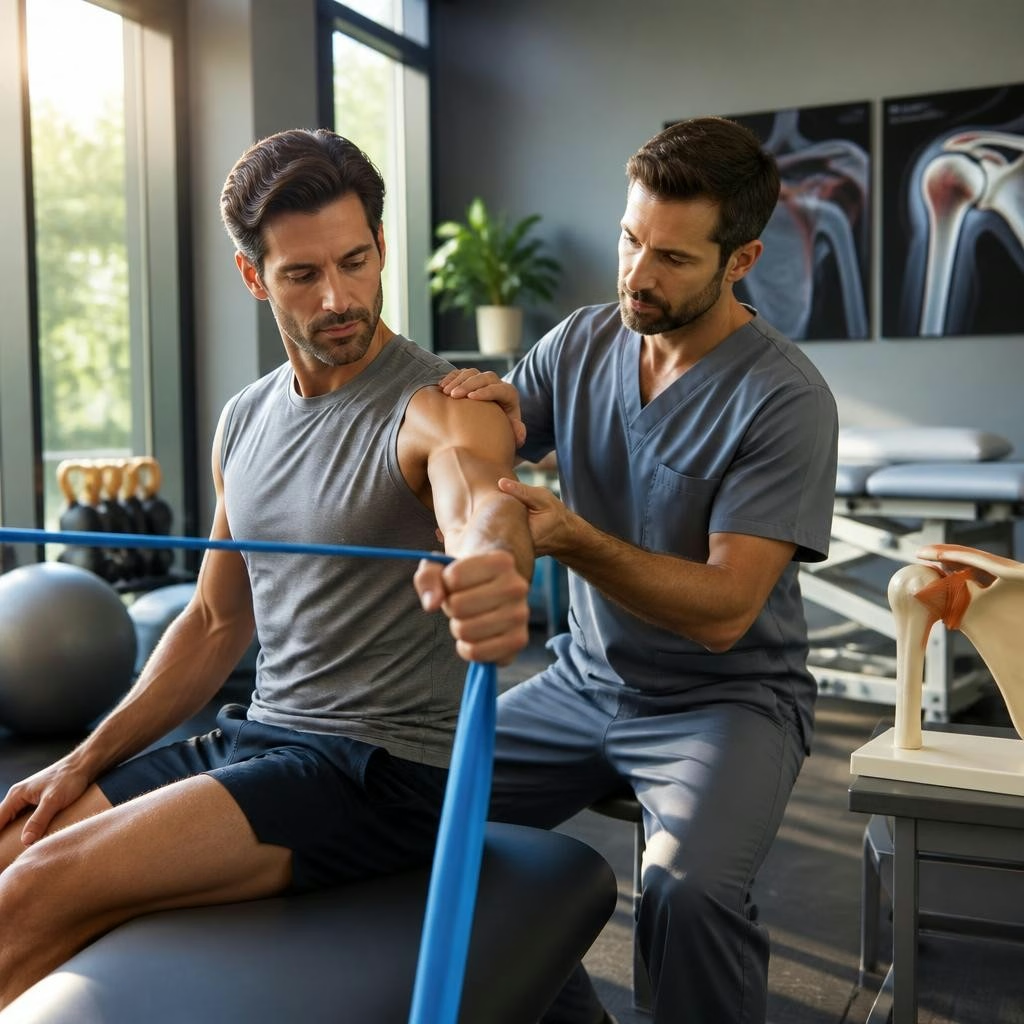
After surgery the repair needs time to begin healing, so we protect the shoulder with a sling for a period that depends on the specific repair and your tissue quality. Pain is managed with a combination of medications, icing, and rest; I provide guidance on safe medication use and signs that require urgent contact. Early rehabilitation is staged—initial protection with gentle, therapist-guided motion when appropriate, then progressive exercises as the repair heals—so you regain motion and strength in a controlled way.
Rehab milestones and returning to activity
Rehabilitation is a stepwise process: restoring comfortable motion, rebuilding strength, and then progressing to sport- or work-specific activities. Exact timelines vary by the type and size of the tear, the repair performed, and individual factors, but most patients move through clearly defined phases under the supervision of their therapist and surgical team. Patients frequently tell us that attentive follow-up and consistent rehabilitation are keys to recovery; for example, one patient review described regaining good function within a few months after treatment for significant injuries. If you’re considering arthroscopic shoulder surgery, I encourage you to discuss your specific goals with me so we can map a recovery plan aligned with your needs.
Next steps and how to reach us
If your shoulder pain limits daily life or athletic participation, schedule an evaluation so we can review your examination and imaging and outline options. Bay Area Sports and Orthopedics is located at 12827 Gulf Freeway in Houston; my team and I are committed to returning patients to the activities they value while providing compassionate, experienced care. Bring a list of questions and any prior imaging to your visit so we can make the most of the appointment.
Customer review


Article by
Dr. Schauder - Houston
Dr. Schauder was born in Detroit, Michigan. He received his undergraduate degree from Albion College, Albion, Michigan in 1981 Summa Cum Laude with a 4.0 GPA, Phi Beta Kappa, Albion Fellow. Dr. Schauder is an orthopedic surgeon with over 20 years of experience in orthopedic surgery and sports medicine . Dr. Schauder is very active in the sports community. He has played football through college and has played and coached his sons in soccer. Dr. Schauder has been the team physician for Alvin High School Sports since 1990. Our concern is for the total well-being of the patient and to return the patient back to their active lifestyles including sports and work as soon as possible.